


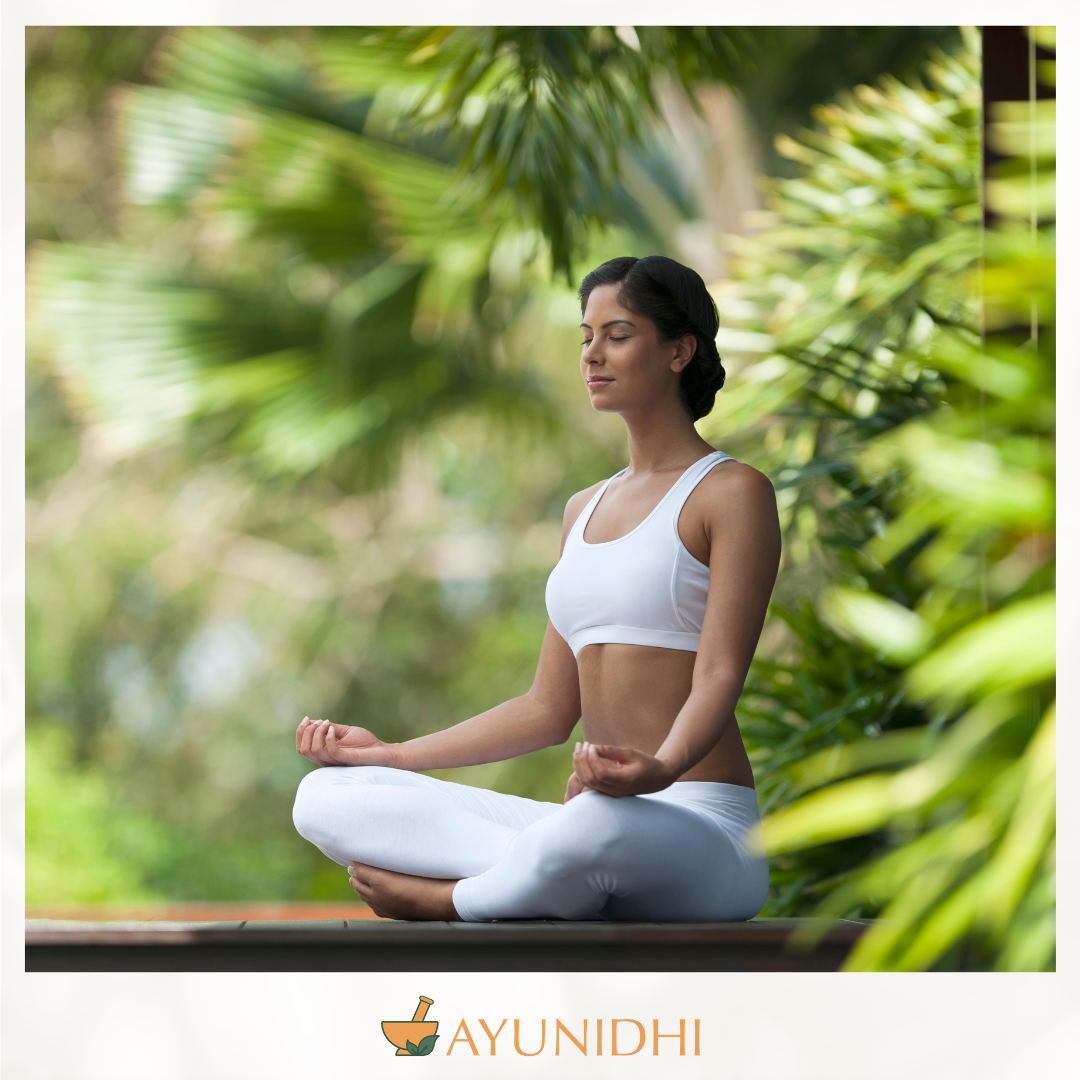
In today’s fast-paced, hyperconnected world, stress, fatigue and imbalance are increasingly common. Many of us look for relief through diet trends, exercise routines or mindfulness apps. These can help, but they often lack personalization and depth. What’s missing is a sustainable system that sees each person as unique: body, mind and spirit.
This is what the sister sciences of yoga and Ayurveda offer. Developed together in India over thousands of years, they aren’t separate paths but complementary systems of wellbeing and self-understanding.
Yoga gives us practices of posture, breath and meditation that calm the nervous system and steady the mind. Ayurveda provides the framework to personalize those practices to each person’s constitution, environment and stage of life. Together, they form a deeply holistic approach to wellness.
This article explores their shared roots, how they work together, and practical steps to bring both into your daily life for more balance, vitality and resilience.
Shared Roots: The Vedic Foundation
The relationship between yoga and Ayurveda is woven into Vedic philosophy. Both arise from the same worldview: that human beings are a microcosm of the larger universe, and that health comes from living in alignment with natural rhythms.
Ayurveda is traditionally described as the healing branch of the Vedic sciences, devoted to preserving health and preventing imbalance. It teaches that wellbeing is supported when the three doshas (Vata, Pitta and Kapha) are in balance, digestion (agni) is strong, and the body’s vital essence (ojas) is nourished.
Yoga is the contemplative discipline of the same tradition, guiding the practitioner toward union with the deeper self. Its practices (asana, pranayama, meditation and ethical living) refine the body and mind so awareness can expand.
Both share philosophical roots in Samkhya, which describes creation as the interplay of purusha (pure consciousness) and prakriti (matter, made of the three gunas: sattva, rajas and tamas). Ayurveda applies this framework to health; yoga applies it to liberation.
Because of these shared origins, yoga and Ayurveda were never meant to be separate. They are two branches of the same tree, designed to support each other.
Ayurveda: The Framework of Personalization
At its heart, Ayurveda is personalized wellness. It recognizes that what nourishes one person may destabilize another. It describes three primary constitutions, or doshas:
- Vata (air + space): light, mobile and quick-thinking, but prone to anxiety, fatigue and irregular digestion.
- Pitta (fire + water): sharp, focused and passionate, but prone to irritability, heat and burnout.
- Kapha (earth + water): stable, compassionate and enduring, but prone to sluggishness, congestion and lethargy.
When balanced, each dosha expresses its strengths. When disturbed, imbalance shows up physically, mentally and emotionally. (Not sure which dosha leads for you? Take the free dosha quiz.)
Applied to yoga, Ayurveda shows us that the same practice can have opposite effects on different people. A hot power yoga class might energize someone with a Kapha imbalance, but overheat a Pitta type or exhaust a Vata type.
That’s why Ayurveda’s wisdom matters: it gives us the discernment to choose the yoga practices that actually support us.
Yoga: The Practice of Union
Yoga is often associated with postures, but it’s far more comprehensive. Patanjali’s Yoga Sutras outline eight limbs:
- Yama: ethical disciplines
- Niyama: personal observances
- Asana: physical postures
- Pranayama: breath regulation
- Pratyahara: sense withdrawal
- Dharana: concentration
- Dhyana: meditation
- Samadhi: union
Together, these form a system that strengthens the body, calms the mind and refines awareness.
When guided by Ayurveda, yoga becomes deeply personal. Each posture, breath practice and meditation is chosen to balance the doshas, nourish ojas and restore harmony.
Dosha-Specific Yoga Practices
Yoga for Vata
Vata types thrive on grounding, stability and warmth. Practices should be slow, steady and calming.
- Asanas: long-held forward bends, restorative poses like Child’s Pose and supported Savasana, and gentle hip openers.
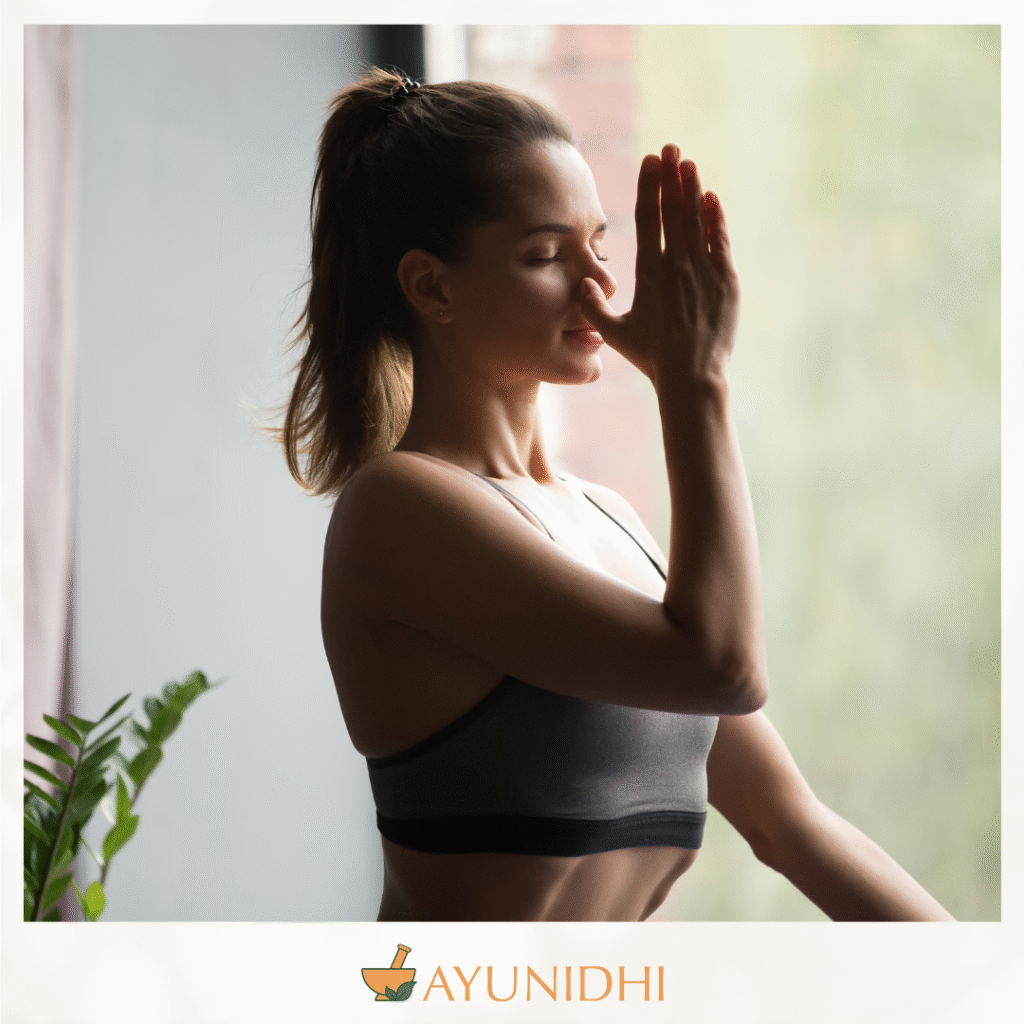
- Pranayama: alternate nostril breathing (nadi shodhana) and deep diaphragmatic breathing.
- Meditation: visualization or mantra repetition to anchor a restless mind.
Avoid fast-paced, overly stimulating practices that add more lightness and movement.
Yoga for Pitta
Pitta types benefit from cooling, moderation and surrender. Practices should release heat and cultivate calm.
- Asanas: gentle backbends, twists, moon salutations and supported forward bends.
- Pranayama: sheetali (cooling breath) and chandra bhedana (left-nostril breathing).
- Meditation: compassion, loving-kindness and gratitude practices to soften intensity.
Avoid heated rooms, excessive competition and pushing to exhaustion.
Yoga for Kapha
Kapha types need stimulation, movement and invigoration. Practices should be dynamic and energizing.
- Asanas: sun salutations, standing poses, energizing flows and, if appropriate for you, inversions.
- Pranayama: kapalabhati, bhastrika and other dynamic breathwork.
- Meditation: active or guided practices that prevent stagnation.
Avoid overly restorative practices that reinforce heaviness and inertia.
A note on safety: skip forceful breathwork (kapalabhati, bhastrika) and strong inversions if you’re pregnant, or have high blood pressure, a heart condition, glaucoma or a recent surgery. Learn them first with a qualified teacher.
Practiced this way, yoga and Ayurveda become a personalized, practical system of balance.
Dinacharya and Ritucharya: Daily and Seasonal Rhythms
One of Ayurveda’s gifts is its emphasis on rhythm. Wellbeing is sustained not through occasional effort but through consistent daily and seasonal alignment.
- Dinacharya (daily routine): waking early, tongue scraping, oil pulling, self-massage (abhyanga), morning yoga and pranayama, mindful meals, an evening wind-down, and sleep by 10 p.m.
- Ritucharya (seasonal routine): adapting diet, yoga and lifestyle with the seasons: cooling practices in summer, warming in winter, lightening in spring, and grounding in autumn.
When yoga aligns with these rhythms, its effects build on each other. Energizing morning flows, midday breath breaks and restorative evening sequences help synchronize the body with nature’s cycles.
Practical Application: A Week of Integration
Imagine how this might look in your own life:
- Monday: morning sun salutations followed by alternate nostril breathing; a light, grounding breakfast. Evening restorative yoga with warm milk and nutmeg.
- Tuesday: cooling twists and moon salutations to balance Pitta; a gratitude meditation. Tulsi tea at midday.
- Wednesday: an invigorating vinyasa sequence for Kapha balance; uplifting music or a walking meditation in the evening.
- Thursday: gentle hip openers, pranayama and a mindful lunch ritual.
- Friday: abhyanga self-massage, dynamic yoga to clear the week’s heaviness, and a joyful walk in nature.
- Saturday: a restorative morning with yoga nidra; seasonal cooking suited to your dosha.
- Sunday: community practice or meditation, journaling, and simple seasonal self-care rituals.
This rhythm doesn’t have to be rigid. The point is integration: weaving yoga and Ayurveda into daily life as living practices.
Conclusion: Toward Sustainable Wholeness
The union of yoga and Ayurveda offers more than health tips; it offers a philosophy of living. Yoga gives the discipline of practice; Ayurveda gives the wisdom of personalization.
Together, they form a holistic approach that supports balance, calms the mind and builds resilience, alongside the care you receive from your doctors. This is the essence of yoga and Ayurveda for wellness: a way of life rooted in harmony with nature and guided by self-awareness.
Whether you begin with a sun salutation suited to your constitution, a cup of tulsi tea or ten minutes of meditation before bed, every step plants a seed of balance. Over time, small practices add up.
The path isn’t about perfection, but integration: strength in your body, peace in your mind, and wholeness in your spirit.
I offer Ayurvedic yoga and one-on-one Ayurvedic guidance, in person in Encinitas or virtually, alongside your medical care, to help you build a practice that fits your constitution and your life. Book a free discovery call to see if it’s the right fit.