


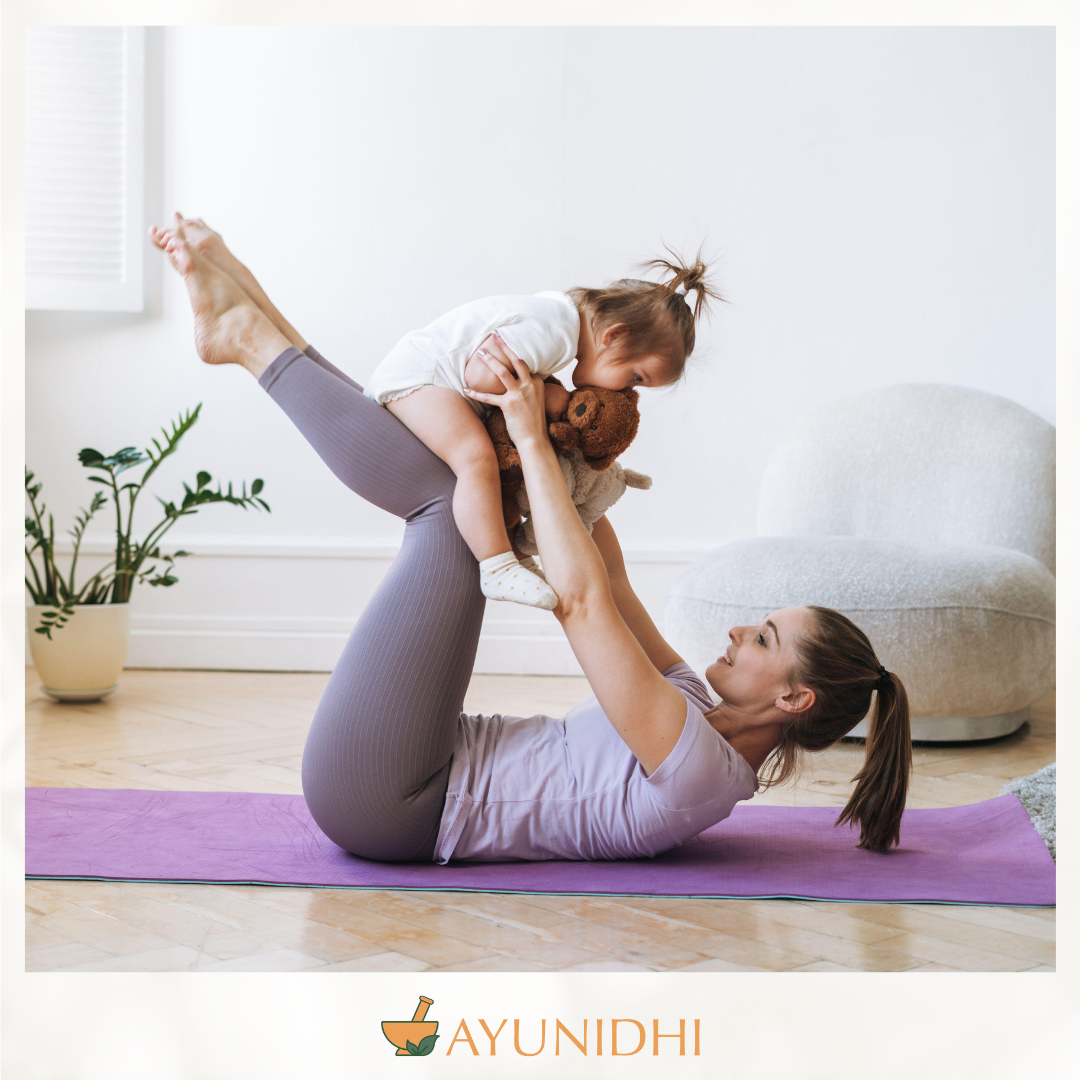
Motherhood is beautiful, and demanding. Between feeding schedules, school runs, meetings and the constant mental load, even the most grounded mom can feel wrung out. You may be sleeping less, multitasking more and putting your own needs last. If you’ve been craving a steadier rhythm, Ayurveda offers busy moms a compassionate framework that meets you exactly where you are. Pair it with short, targeted yoga and breath practices, and you have a sustainable way to manage stress, nourish your energy and show up with presence.
This guide blends the heart of Ayurveda with practical, doable steps for real life. You’ll learn how to structure your day without rigidity, what to eat for steady digestion and mood, and how to use five- to ten-minute yoga practices to reset your nervous system. You’ll also see how modern research is beginning to support what this ancient wisdom has long taught.
Why Ayurveda Belongs in the Modern Mom’s Toolkit
Ayurveda is personalization. It recognizes that what restores one mom can deplete another. Instead of a one-size routine, Ayurveda looks at your constitution (dosha), your stage of life and your current imbalances to build a routine that steadies energy, digestion and mood. For moms, that means moving from survival mode into a gentler, more reliable rhythm, without needing an hour on the mat or a perfect wellness day. (Read more about the yoga-Ayurveda connection.)
Yoga is regulation. Short, smart sequences and breath practices dial down stress reactivity, helping you find calm, clarity and patience when life is loud. The magic happens when you combine them: Ayurveda chooses the right tools, and yoga delivers the right-now shift.
The Core of Ayurvedic Motherhood: Rhythm over Perfection
When your days are full, the answer isn’t doing more. It’s doing less, with rhythm. For busy moms, consistency is the medicine. Here’s a minimalist routine you can repeat most days:
- Morning (5–10 minutes): warm water, two minutes of breathwork, a few grounding stretches and a simple intention.
- Midday (10–20 minutes): a nourishing main meal with gentle digestive spices, and two quiet breaths before you eat.
- Evening (5–15 minutes): a brief self-massage or Legs-Up-the-Wall, and a screen-light wind-down.
Small practices, repeated, change everything. The goal isn’t perfection, just enough structure that your body and nervous system can trust the day.
Doshas 101 (Quickly)
- Vata (air + space): mobile, quick and creative; when out of balance: anxious, scattered, cold, dry, constipated or sleepless.
- Pitta (fire + water): focused, driven and warm; when out of balance: irritable, overheated, prone to reflux or loose stools, perfectionistic.
- Kapha (earth + water): steady, nurturing and calm; when out of balance: heavy, sluggish, congested, low on motivation.
Busy moms often experience Vata aggravation (irregular meals, erratic sleep, rushing), with Pitta spikes (overdrive) or Kapha stagnation (the heaviness of burnout). Ayurveda helps you respond to what’s present today.
Morning: How to Start Steady (Even If You Slept In)
1. Warm water ritual (1 minute). Sip a cup of warm water when you wake. It’s gentle on digestion, supports elimination and signals your body to begin the day. Add a squeeze of lemon in warmer months or a slice of fresh ginger in cooler months, if it suits you.
2. Two minutes of breath to set your nervous system. Sit tall, soften your jaw and try alternate nostril breathing (nadi shodhana) for 6–10 rounds. It steadies attention and your heart rate before the day’s chaos.
3. Three to five poses for real life:
- Child’s Pose for grounding
- Cat-Cow to mobilize your spine and wake up digestion
- Low Lunge with arms overhead to open the front of your body after a night of curled-up sleep
- Standing Forward Fold for a moment of quiet
Total time: about five minutes.
4. A one-sentence intention.
- “Today, I move at a human pace.”
- “Today, I nourish before I push.”
- “Today, I choose calm over perfect.”
These steps capture the essence of Ayurveda for busy moms: regulate first, then do.
Food as Fuel (Not Another Project)
Ayurveda treats digestion as the cornerstone of energy, mood and resilience. If you’re exhausted and wired, start here.
General guidelines
- Eat regularly, and make lunch your largest meal, when your digestive fire (agni) is strongest.
- Favor warm, cooked meals. Soups, stews, simple dals, kitchari and sautéed vegetables are easier to digest than cold, raw salads, especially if you’re depleted.
- Spice lightly to kindle digestion. Cumin, coriander, fennel and ginger are your everyday allies.
- Leave space between meals. Constant snacking muddies hunger signals and digestion.
- Hydrate smartly. Sip warm water or herbal tea through the day, and skip ice-cold drinks that dampen agni.
Quick personalization
- Wired, cold and irregular (Vata-leaning)? Prioritize warm, grounding meals with ghee, root vegetables and stewed fruit.
- Hot, driven and prone to reflux (Pitta-leaning)? Favor cooling foods like cucumber, cilantro, mint and coconut, use moderate spice, and don’t skip meals.
- Heavy, congested and foggy (Kapha-leaning)? Choose lighter grains, legumes with warming spices, bitter greens and earlier dinners.
Remember: the goal is steady energy and a clear mind, not restriction.

The 10-Minute Reset: Yoga You’ll Actually Do
Busy days don’t require a full practice. They require precision. Use one of these mini-sessions when you need a shift.
Ground and calm (for Vata spikes)
- Child’s Pose, 60–90 seconds
- Seated Forward Fold, 60 seconds (bend your knees as needed)
- Supported Bridge, 60–90 seconds
- Nadi Shodhana, 2–3 minutes
You’ll return to your day quieter and warmer, not spaced out.
Cool and de-intensify (for Pitta spikes)
- Gentle twists (lying or seated), 60 seconds each side
- Supported Fish (on a block or bolster), 60–90 seconds
- Moon breath (chandra bhedana: inhale through the left nostril, exhale through the right), 2–3 minutes
You’ll feel less heat and a softer focus.
Energize without overwhelm (for Kapha heaviness)
- 3–5 Sun Salutations at a sustainable pace
- Warrior II or Crescent Lunge, 30 seconds each side
- Kapalabhati (skull-shining breath), 30–60 seconds, only if you’re not pregnant or early postpartum, and don’t have high blood pressure or a heart condition
You’ll return to steady productivity without the coffee swings.
Evenings That Actually Restore You
Screen-light wind-down. Reduce bright, stimulating input 30–60 minutes before bed. Your nervous system needs darkness and quiet to switch gears.
Mini abhyanga (self-massage). Warm a teaspoon of sesame oil (in cool months) or almond or coconut oil (in warm months), and massage your feet, calves and shoulders for 2–3 minutes. This simple ritual calms Vata, softens muscles and cues sleep.
One pose plus one breath. Rest in Legs-Up-the-Wall or Reclined Bound Angle for 3–5 minutes with slow nasal breathing and longer exhales. Lights out around 10 p.m. when you can.
This is Ayurveda for busy moms in practice: short, repeatable and workable, yet deeply regulating.
What the Research Says (and Why It Matters)
Ancient wisdom is increasingly supported by modern studies, particularly in perinatal and postpartum mental health, terrain many mothers navigate for years.
- A randomized controlled trial in BMC Pregnancy and Childbirth found that a prenatal mindfulness program improved trajectories of stress, anxiety and depression through 12 months after birth, and supported early mother-infant bonding (source). Brief, structured mind-body programs can have lasting benefits beyond pregnancy.
- A systematic review and meta-analysis in BMC Psychiatry found that yoga reduced depressive symptoms during pregnancy across multiple randomized trials (source), reinforcing yoga’s value in the perinatal period.
These studies focus on pregnancy and the first year after birth, but the mechanisms (nervous-system balance, emotional regulation and lower perceived stress) are relevant for mothers of toddlers, school-age kids and teens, too. The same tools of gentle movement, mindful breath and consistent routines can help steady mood, support sleep and build daily resilience.
Eating with Kids: Make It Truly Doable
Perfection is the enemy of consistency. Here’s a realistic approach that fits family life:
Batch once, reuse often. A pot of kitchari or dal becomes bowls, wraps or soup. Add fresh greens and a squeeze of lemon for brightness.
Build a spice tray. Keep cumin, coriander, fennel, ginger and turmeric within reach. A pinch in soups or sautéed vegetables supports digestion without heat.
Upgrade snacks. Roast sweet potatoes, pair cut fruit with a handful of nuts, or warm apples with cinnamon and ghee. If you’re depleted, skip ice-cold smoothies in favor of room-temperature or lightly warmed blends.
A mindful minute. Before you eat, pause for two slow breaths. This simple act moves your body toward “rest and digest.”
Seasonal Shifts for Sustainable Energy
Ayurveda’s seasonal wisdom keeps your energy steady as the year turns:
- Spring: lighten and stimulate with bitter greens, ginger tea, brisk walks and dynamic yoga to lift fog.
- Summer: cool and moderate with mint, cilantro, cucumber and coconut water; skip heated rooms, and choose moon salutations and gentle pacing.
- Autumn: ground and warm with soups, stews, ghee and warm milk with nutmeg; add oil massage and earlier nights to soothe Vata.
- Winter: warm and nourish with spiced grains, dals and roasted vegetables; keep movement regular but kind to your joints.
These small tweaks support digestion and mood without complicated protocols.
Postpartum and Beyond: Honoring the Long Arc
Postpartum isn’t six weeks; it’s a season. Whether you’re weeks in or years down the line, the principle is the same: rebuild slowly, warmly and consistently.
- Warm foods and fluids to nourish your recovery, and to support you if you’re nursing.
- Boundaries around stimulation: quiet hours protect your nervous system.
- Gentle movement first: walks, restorative poses and diaphragmatic breathing, progressing gradually and with your provider’s okay after birth.
- Community: accepting help reduces your stress load. Let it be medicine.
If you’re experiencing ongoing anxiety, low mood or intrusive thoughts, please reach out for professional care. Postpartum depression and anxiety are common and treatable. In the US, you can contact the Postpartum Support International HelpLine at 1-800-944-4773, or call or text 988 if you ever feel unsafe. Ayurveda and yoga can complement clinical support, not replace it.
A One-Week Reset You Can Start Today
Use this as a living template: swap days, shorten blocks, but keep the spirit.
- Day 1: warm water, two minutes of alternate nostril breathing and three gentle poses. Make lunch your main meal. Legs-Up-the-Wall at night.
- Day 2: make a pot of simple kitchari or dal, spiced with cumin, coriander and fennel. Walk for ten minutes after dinner.
- Day 3: choose a five-minute “ground and calm” practice mid-afternoon instead of caffeine.
- Day 4: mini abhyanga before your shower; a screen-light evening; in bed by 10.
- Day 5: a dynamic ten-minute morning flow to lift heaviness; coriander-fennel tea at midday.
- Day 6: family time in nature; choose cooling or grounding foods based on how you feel.
- Day 7: reflect: what helped most? Keep it next week, and add one small new support.
The goal is momentum, not mastery.
Nourishing the Mother, Nurturing the Whole
Motherhood is a sacred dance of giving, but Ayurveda teaches that true balance begins with receiving. When you nourish yourself, you have more energy to hold your family with calm, clarity and love. Mindful motherhood isn’t about perfection; it’s about presence. With small daily rituals (warm meals, grounding breath and gentle movement), you can reclaim your vitality and joy, one mindful moment at a time.
I offer Ayurvedic yoga and personalized Ayurvedic lifestyle support for mothers, in person in Encinitas or virtually, alongside your medical care, to help you restore your energy and reconnect with yourself. When you thrive, your family thrives. Book a free discovery call to see if it’s the right fit..